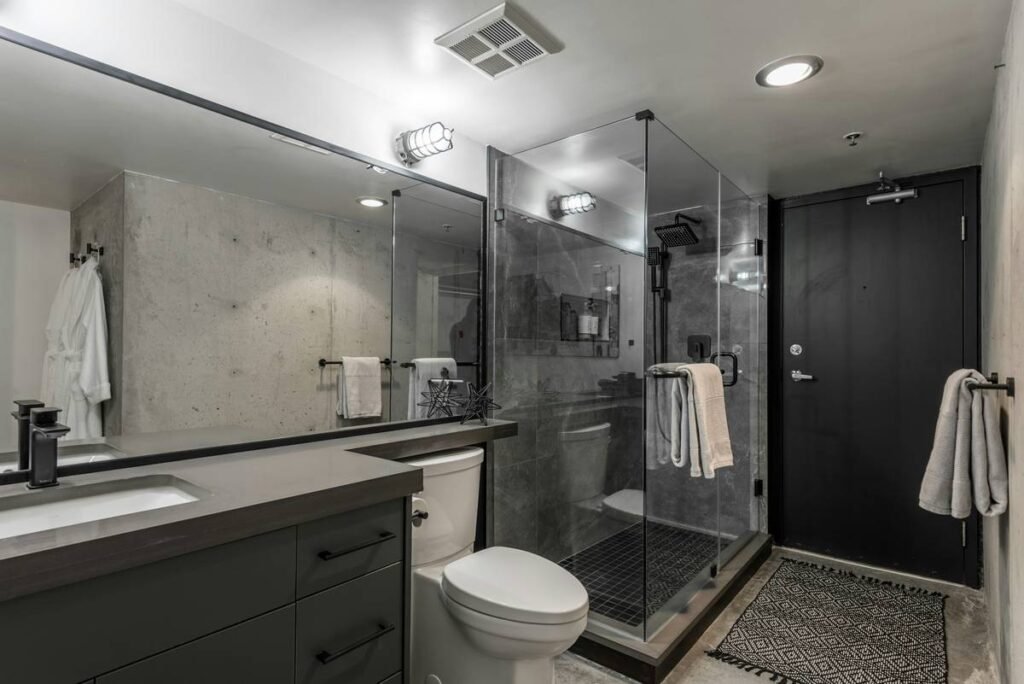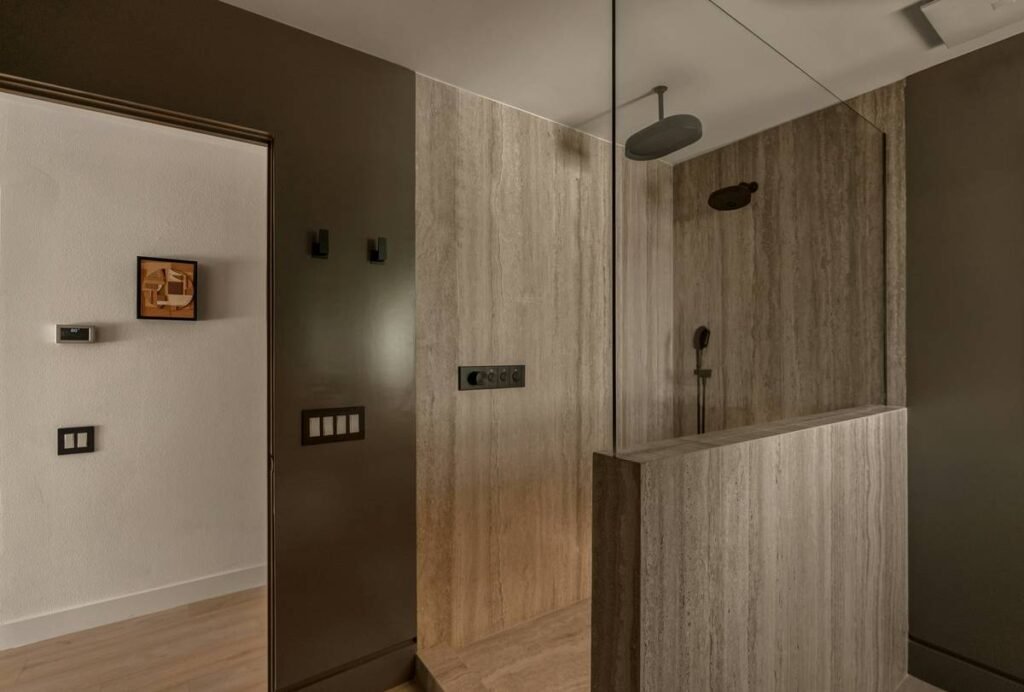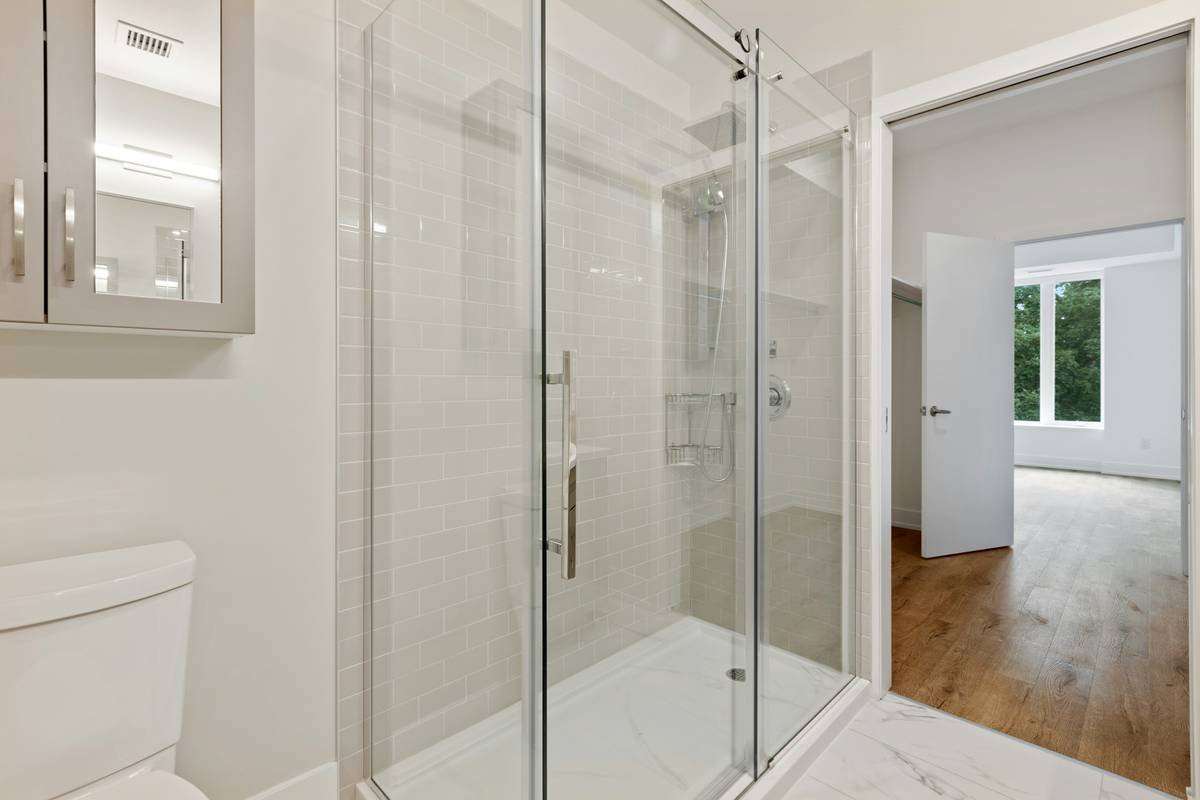
Your shower leaks. Not dramatically—but enough to puddle on the bathroom floor every time someone takes a morning rinse. You’ve tightened hinges, resealed edges, even bought that “miracle” silicone from the hardware store. Nothing sticks. And now? Mold creeps up the grout like ivy. The truth is, your sliding or pivot glass door wasn’t built for real life—it was built for showroom floors. But what if the fix isn’t another sealant tube… but a full bathroom glass door replacement with bi-fold doors?
Why Traditional Shower Doors Fail (And Keep Failing)
Sliding tracks collect hair, soap scum, and hard water deposits within weeks—not months. Pivot hinges wear out fast under constant moisture stress. Even frameless swing doors demand 30+ inches of clearance you probably don’t have in a standard 5×8 bath.
And here’s the kicker: most “water-tight” claims vanish the moment you install them slightly off-plumb—which happens more often than contractors admit. Water finds the gap. Always.
Bathroom Glass Door Replacement: A Practical Step-by-Step Guide
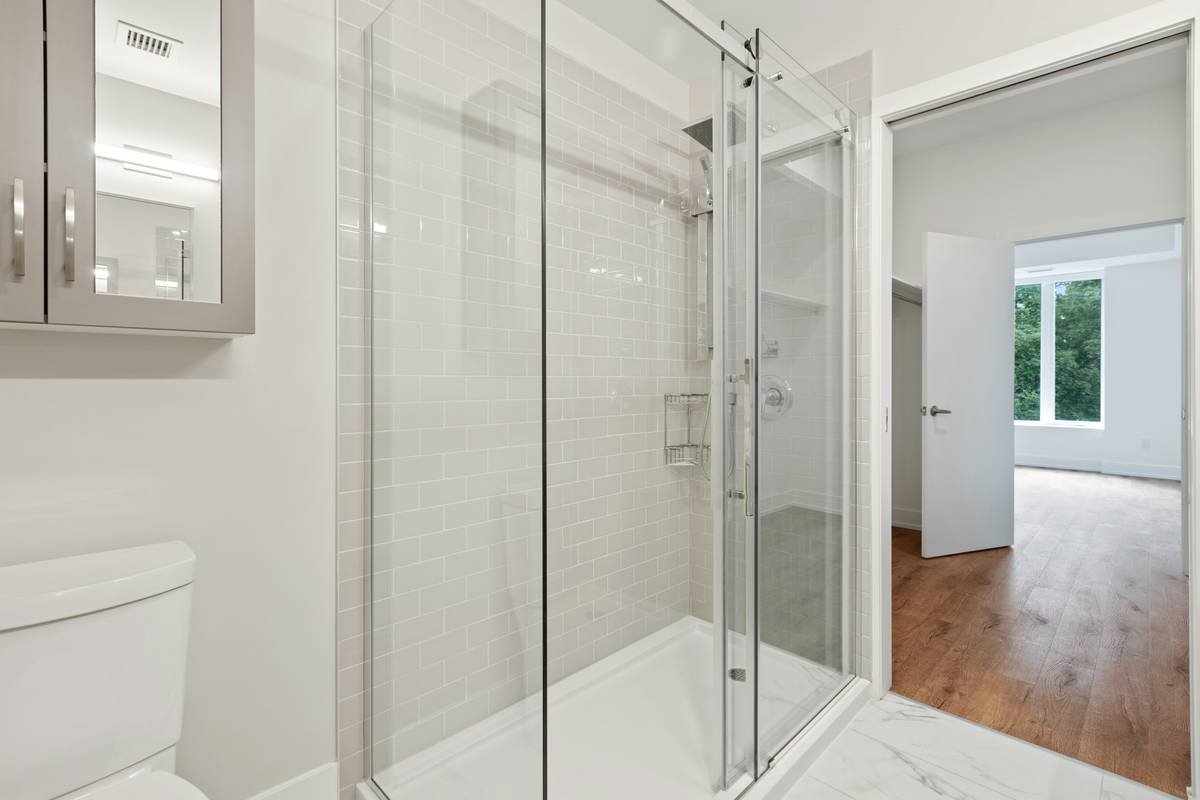
Replacing your current setup with bi-fold shower doors isn’t just aesthetic—it’s functional surgery. Done right, it eliminates track traps, saves space, and seals better than aging sliders.
Measure Twice, Order Once
Bi-fold doors hinge on precise width tolerance. Measure your opening at top, middle, and bottom—note the smallest dimension. Subtract 1/8 inch for clearance. Height matters less unless you’re going fully frameless, but confirm headroom for folding panels.
Choose Frame Type Wisely
Fully frameless looks sleek but costs 2–3× more and demands perfect wall alignment. Semi-frame (aluminum U-channel) hides minor imperfections and guides panels smoothly. Avoid full-frame—it screams 1990s condo.
Installation Reality Check
If your walls aren’t plumb or your threshold slopes inward, even bi-folds leak. Test with a level and a marble before ordering. Some vendors offer shimming kits—but you’ll need tile-safe anchors, not drywall screws.
| Door Type | Avg. Cost (USD) | Space Required | Maintenance Level |
|---|---|---|---|
| Traditional Sliding | $400–$900 | Full track depth (3–4″) | High (track cleaning weekly) |
| Pivot Swing | $600–$1,200 | 30″+ arc clearance | Medium (hinge lubrication) |
| Bi-Fold | $700–$1,400 | Only 6–8″ when folded | Low (no track, wipe hinges) |
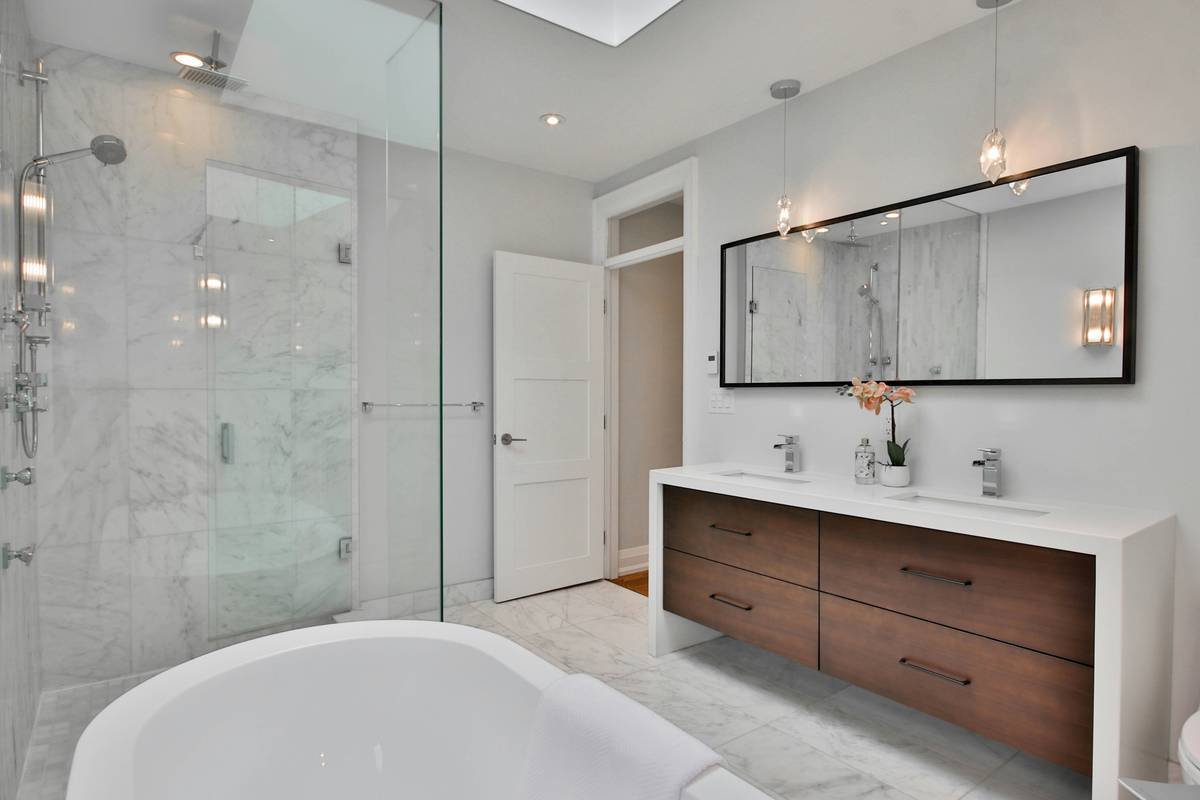
The Industry Secret: Silicone Isn’t the Enemy—Your Installer Is
Here’s what contractors won’t tell you: 80% of “leaky door” callbacks trace back to rushed installs where silicone was applied over dust or old caulk. Proper adhesion requires bare, dry tile—and most crews skip degreasing. But bi-fold systems sidestep this by design. Their vertical seals compress against clean glass edges, not porous grout lines. Less reliance on perfect sealant means fewer callbacks—and for homeowners, fewer headaches.
Think about it: if leaks stem from installation error, why keep choosing solutions that magnify those errors?
Frequently Asked Questions
Can I replace my sliding shower door with bi-fold panels myself?
Yes—if your opening is square and walls are solid. But misalignment causes binding. Hire a pro if tiles are uneven or walls flex.
Do bi-fold shower doors leak more than other types?
No. When installed correctly, their compression seals outperform worn sliders. Leaks usually mean poor panel alignment or degraded gaskets—not design flaw.
How long does bathroom glass door replacement take?
Most bi-fold replacements take 3–6 hours. Removal adds 1–2 hours if old silicone was over-applied. Allow 24 hours before full use.