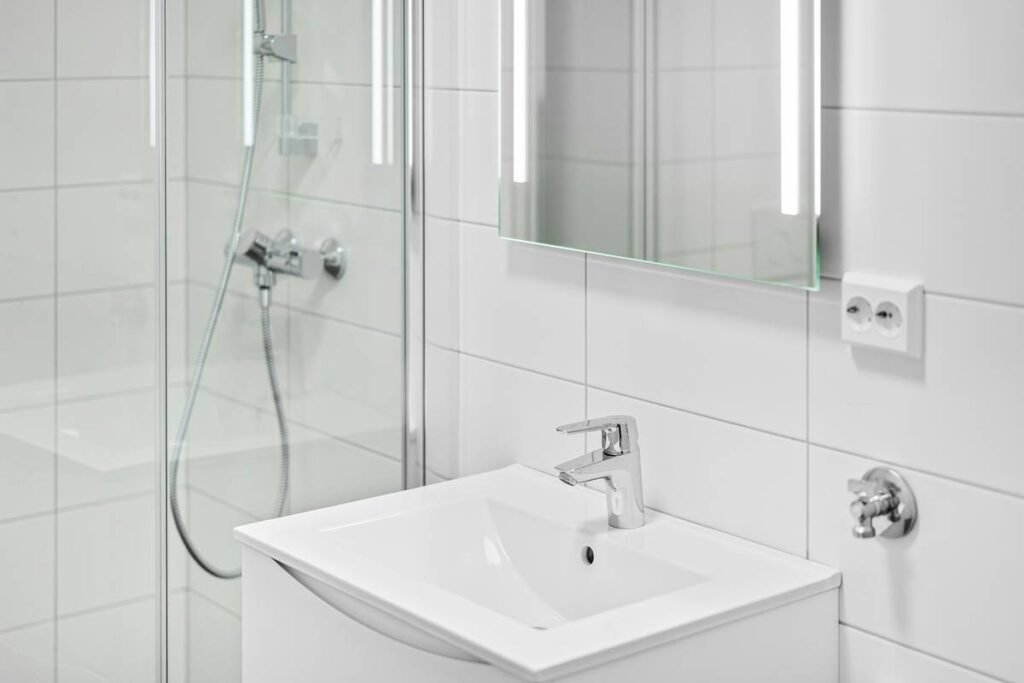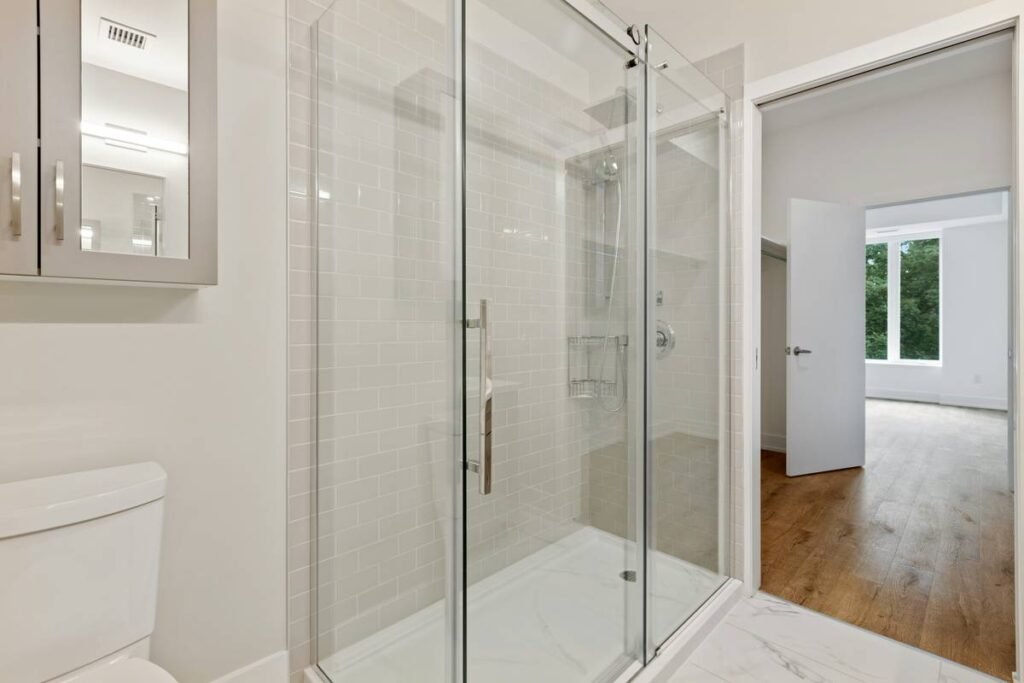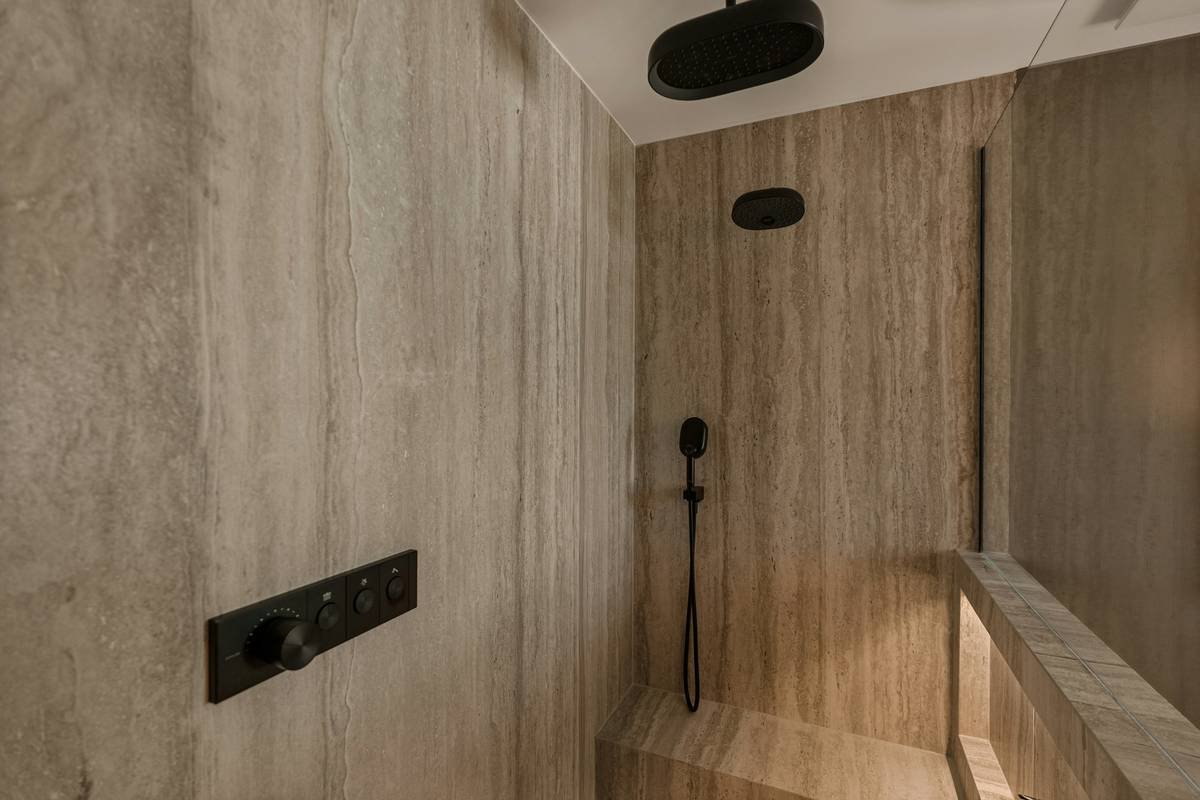
Small bathrooms feel claustrophobic the moment you add a bulky shower enclosure. Traditional swing doors eat up precious floor space—enough to make brushing your teeth feel like a contortion act. But what if your shower didn’t demand real estate? Enter bi-fold shower doors: the unsung hero of compact wet zones.
Why Most “Space-Saving” Showers Fail Miserably
Manufacturers love slapping “space-saving” on anything under 36 inches wide. Reality check: a hinged door still needs clearance to swing open. In a 5×7 bathroom, that’s catastrophic. And sliding doors? They look sleek—until you realize they require double tracks and thick side walls, stealing usable width.
Worse, many DIY conversions sacrifice safety for square footage. Thin acrylic panels flex. Poorly sealed frames leak. You traded elbow room for mold behind the tiles. Not a win.
Space Saving Shower Room Ideas: Your Step-by-Step Retrofit Plan
Bi-fold doors fold inward or outward in accordion-style panels. They collapse into a fraction of the footprint of a swinging door—often less than 4 inches of swing depth. But installation isn’t plug-and-play. Here’s how to do it right:
Pick the Right Frame Profile
Go frameless if your budget allows—but only with tempered glass (minimum 3/8”). Semi-frameless with slim aluminum channels offers better water sealing for tighter budgets. Avoid full-framed units; they look dated and trap grime.
Measure Twice, Cut Once (Seriously)
Your opening must be plumb and square within 1/8 inch tolerance. Bi-folds won’t seal properly on a warped jamb. Use a laser level—not a bubble level—to check vertical alignment from ceiling to curb.
Optimize Drain Placement
Move the drain toward the center of the pan, not the back wall. Why? Bi-fold doors create an L-shaped entry zone. Water tends to pool near the hinges during heavy flow. A centered linear drain prevents puddling at the fold line.
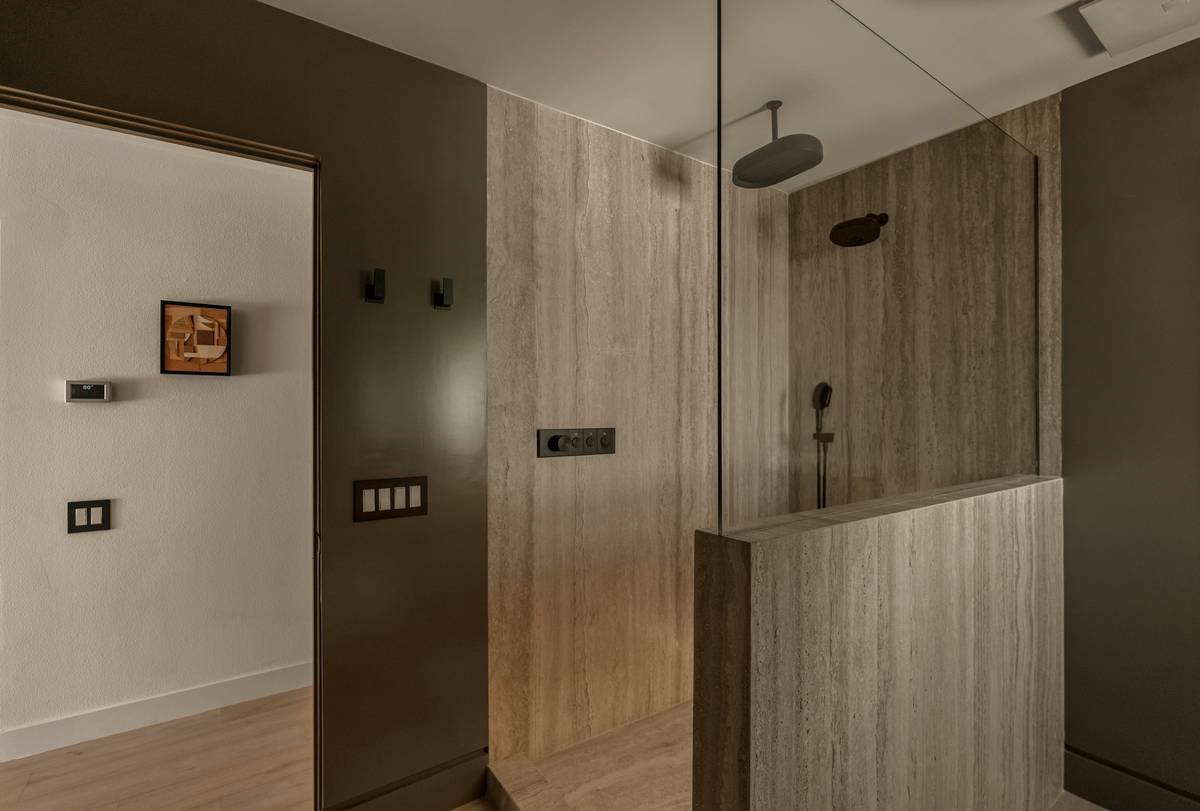
| Enclosure Type | Minimum Clear Width Needed | Installation Complexity | Avg. Cost (USD) |
|---|---|---|---|
| Hinged Door | 24–30 inches | Low | $300–$600 |
| Sliding Door | 32–36 inches | Medium | $500–$900 |
| Bi-Fold Door | 16–20 inches | Medium-High | $600–$1,200 |
| Curtain Rod | Varies | Low | $50–$150 |
The Industry Secret: It’s Not About the Door—It’s About the Threshold
Here’s what manufacturers won’t tell you: the real bottleneck isn’t the door swing—it’s the step-over curb. Most prefab pans have 3–4 inch lips. Combine that with a folding door track, and you’ve got a mini staircase. The pro move? Specify a zero-threshold, bonded waterproofing system like Schluter-Kerdi. Tiling directly onto sloped concrete lets you drop the entry height to under 0.5 inches. Suddenly, the bi-fold doesn’t just save space—it improves accessibility and visual flow. Bonus: no more tripping at 6 a.m.
Frequently Asked Questions
Do bi-fold shower doors leak?
Not if installed correctly. Use double-seal silicone gaskets at hinge joints and ensure the bottom track has weep holes to channel runoff. Poor sealing—not the design—is the culprit.
Can I install bi-fold doors in a fiberglass tub surround?
Yes, but reinforce the wall studs behind the jamb. Fiberglass lacks structural rigidity—you’ll need backing blocks every 6 inches to prevent panel sag over time.
Are bi-fold doors harder to clean?
Marginally. The crevices between panels collect soap scum faster than a single-pane door. Weekly wipe-downs with vinegar solution prevent buildup. It’s a fair trade for regained floor space.