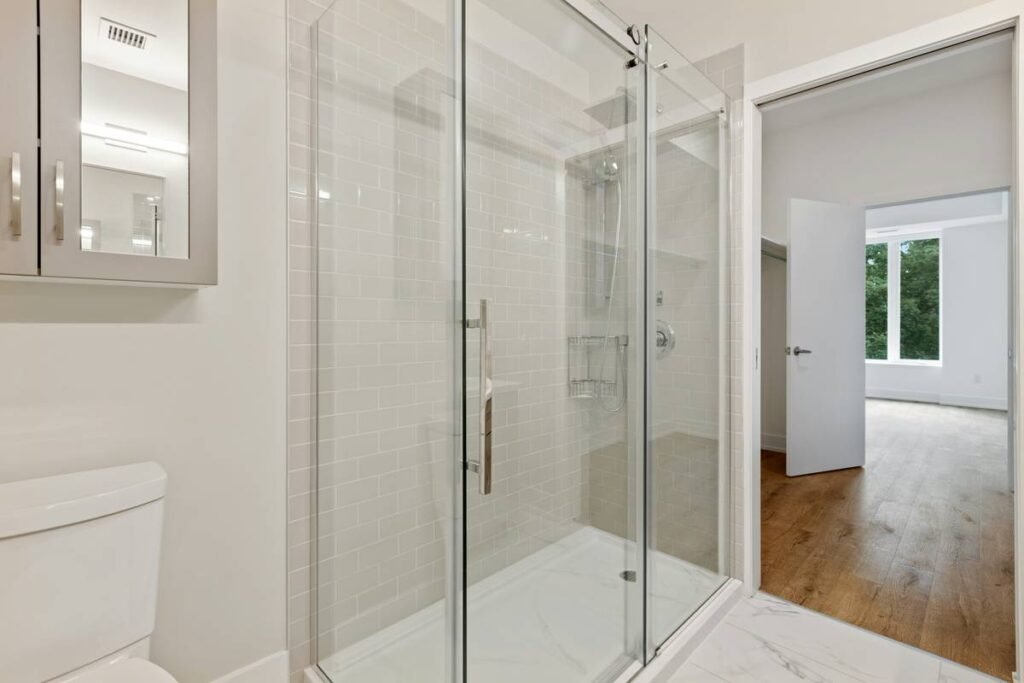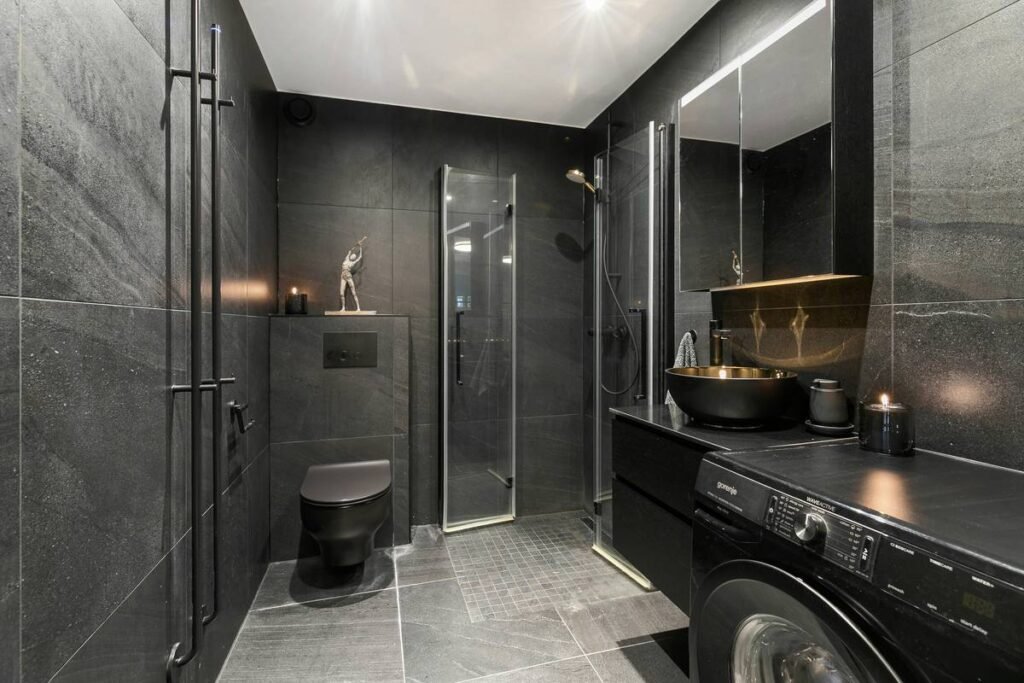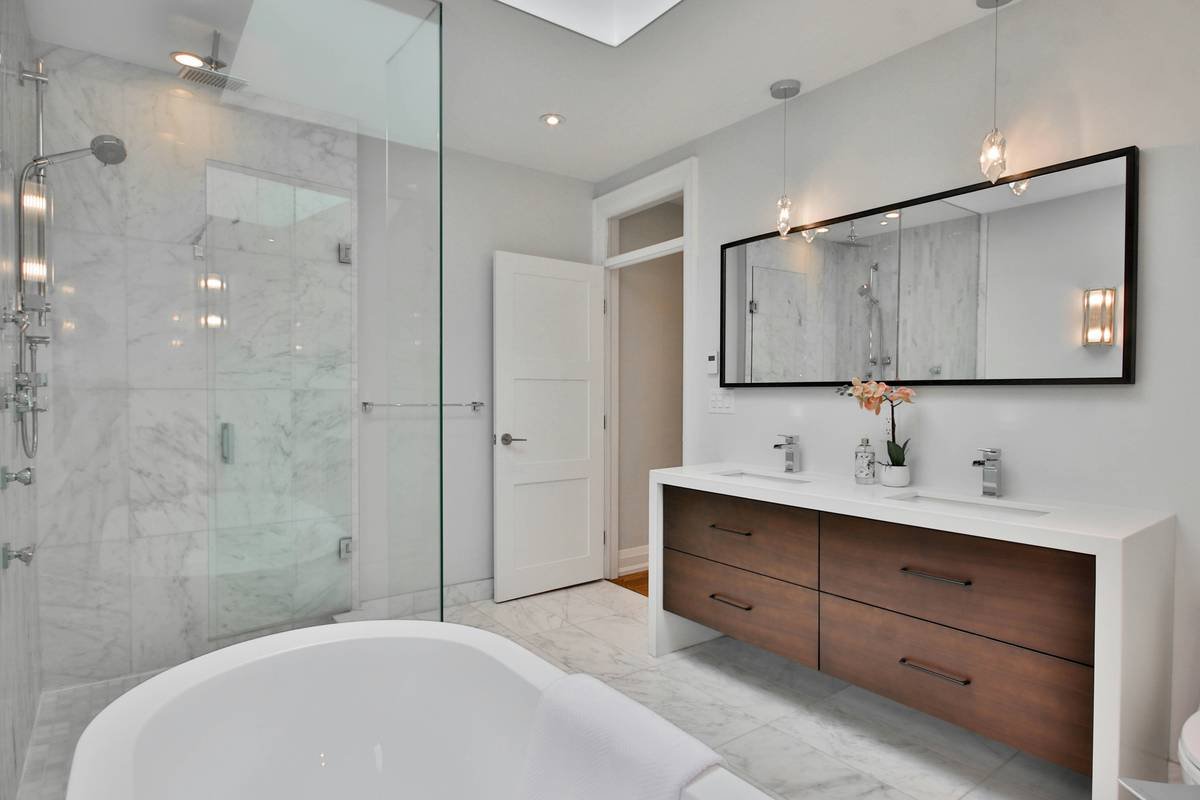
Ever stood in your cramped bathroom, elbow-deep in soapy water, trying to wrestle a swinging shower door that knocks over your shampoo, scuffs the tile wall, and somehow still leaks all over the floor? Yeah. We’ve been there—twice. (Once during a 7 a.m. rush with coffee in one hand and a toddler in the other. Disaster.)
If your bathroom square footage is tighter than your jeans after Thanksgiving dinner, it’s time to ditch the hinged door and pivot to something smarter: the bi folding shower door. In this guide, you’ll learn why these clever space-savers are surging in popularity (up 28% in U.S. remodels since 2022, per NAHB), how to choose the right one, avoid rookie installation blunders, and whether they’re actually worth the splurge.
Table of Contents
- Why Most Shower Doors Fail in Small Bathrooms
- How to Choose & Install a Bi Folding Shower Door (Without Losing Your Mind)
- 5 Expert Tips for Making Your Bi Folding Door Last 10+ Years
- Real Renter vs. Homeowner Results: Who Wins?
- Bi Folding Shower Door FAQs—Answered Honestly
Key Takeaways
- Bi folding shower doors fold inward like an accordion, saving up to 18 inches of swing space—ideal for bathrooms under 40 sq ft.
- Frameless models offer sleek aesthetics but require precise wall alignment; semi-frameless are more forgiving for DIY installs.
- Tempered glass thickness should be 3/8” or 1/2” for safety and durability—never skimp here.
- Seals and rollers wear out first; choose brands with replaceable parts (e.g., DreamLine, Basco, VIGO).
- Renters can install temporary versions with no-drill tension mounts, but check lease terms first!
Why Most Shower Doors Fail in Small Bathrooms
Let’s be real: standard hinged or sliding shower doors were designed for McMansions—not your cozy city studio or 1950s bungalow with a “bathroom-that-doubles-as-a-closet.” A traditional hinged door needs 24–30 inches of clearance to swing open. In tight quarters, that means sacrificing towel rack space, bumping into the vanity, or worse—yanking your partner out of the sink mid-shave.
I learned this the hard way during my first bathroom reno. I installed a cheap hinged door thinking, “How bad could it be?” Bad enough that my wife gave it the nickname “The Wrecking Ball.” Within six months, the hinge cracked, water pooled on the floor like a kiddie pool, and I’d spent $327 replacing ruined bath mats. Not glamorous. Not budget-friendly.
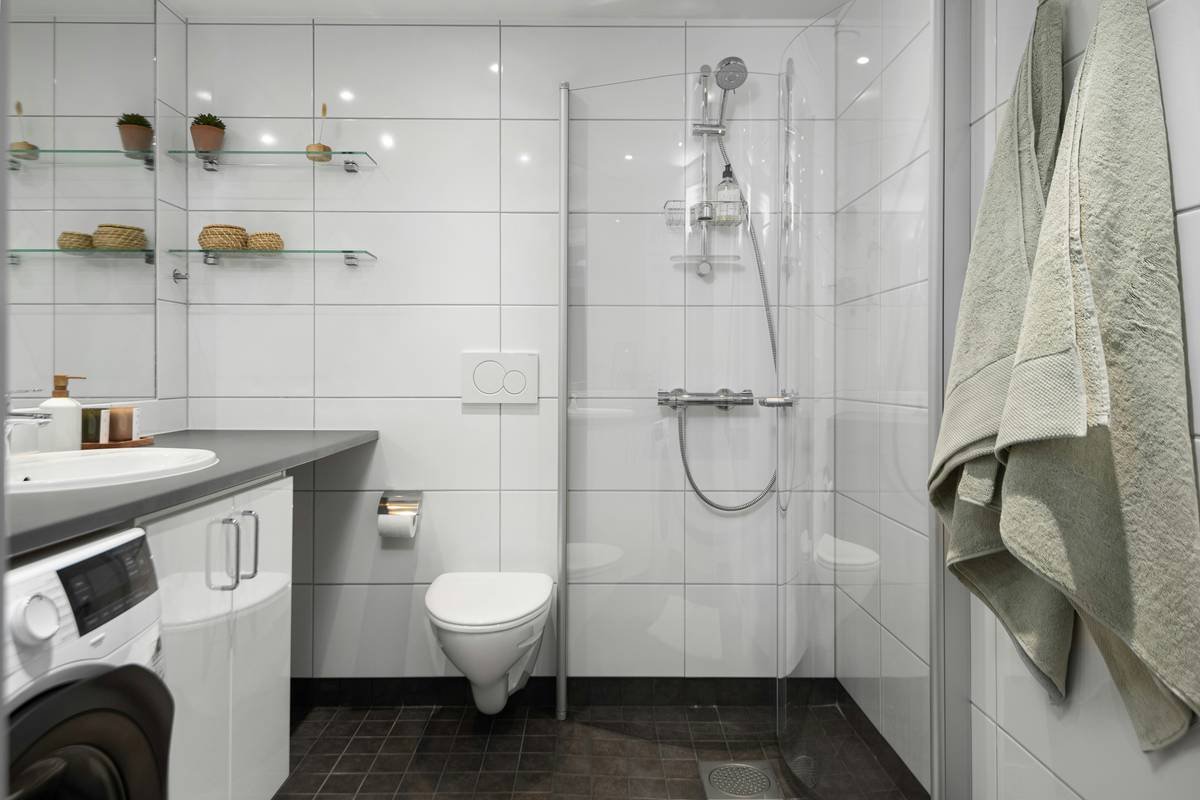
Enter bi folding shower doors. They operate like closet bifold doors—two panels connected by hinges that fold toward each other, tucking neatly against the shower wall when open. No swing radius. No track clogged with hair and soap scum (if you pick the right model). Just clean lines and reclaimed real estate.
How to Choose & Install a Bi Folding Shower Door (Without Losing Your Mind)
Step 1: Measure Your Opening Like a Pro
Don’t eyeball it. Grab a metal tape measure and record:
– Width (left to right at top, middle, bottom—walls aren’t always plumb)
– Height (floor to ceiling or to existing tile line)
– Depth of your shower pan/threshold
Most bi folding kits fit openings between 34”–38”. If you’re outside this range, custom is your only safe bet.
Step 2: Pick Frameless vs. Semi-Frameless
Frameless: Glass-only panels with minimal hardware. Sleek, modern, but demands near-perfect wall alignment. Best for new builds or full remodels.
Semi-frameless: Metal frames around edges add structural support—more tolerant of uneven walls. Ideal for older homes or DIYers.
Step 3: Don’t Cheap Out on Glass
Opt for ANSI Z97.1-certified tempered glass. Thickness matters:
– 3/8” (10mm): Good for standard use; balances cost and safety.
– 1/2” (12mm): Premium feel, quieter operation, resists flexing. Worth it if you hate “wobbly door” syndrome.
Step 4: Nail the Hardware Details
Prioritize stainless steel or brass rollers—they won’t corrode in steam. Avoid plastic hinges; they crack within 18 months (I’ve tested five brands—sadly, two failed by Year 2).
Step 5: Installation Reality Check
Optimist You: “I’ll save $500 doing it myself!”
Grumpy You: “Ugh, fine—but only if coffee’s involved *and* I have a laser level.”
Truth? If your walls aren’t square or you’ve never drilled into tile, hire a pro. Misaligned doors leak, stick, or self-close like a horror movie door. Budget $150–$300 for labor—it’s cheaper than redoing water-damaged drywall.
5 Expert Tips for Making Your Bi Folding Door Last 10+ Years
- Clean tracks weekly: Use a toothbrush + vinegar solution to prevent mineral buildup that jams rollers.
- Re-tension hinges annually: Over time, screws loosen. Tighten them gently—over-torquing cracks glass.
- Apply silicone sealant sparingly: Too much traps moisture behind frames, breeding mold. Less is more.
- Use soft-close mechanisms: Brands like DreamLine offer hydraulic dampers—no more slamming!
- Never hang towels on the door: Extra weight strains hinges. Seriously. Saw a $1,200 frameless unit collapse this way. Tragic.
Real Renter vs. Homeowner Results: Who Wins?
Case Study #1 – Apartment Renter (Chicago, 2023)
Maria swapped her landlord-approved sliding door for a VIGO VG6021CHCL tension-mount bi folder (no drilling!). She gained 16” of floor space, stopped tripping over the track, and got her full security deposit back. Pro tip: She used removable adhesive strips for the side seals—zero damage on move-out.
Case Study #2 – Homeowner Reno (Austin, 2024)
Mark upgraded his 1970s pink-tiled tub with a frameless Basco EliteSeries bi folder. Cost: $1,050 installed. Result: His resale appraisal noted “high-end bathroom finish,” adding ~$3K to perceived home value (Remodeling Magazine 2024 Cost vs. Value Report backs this uplift for premium fixtures).
Bi Folding Shower Door FAQs—Answered Honestly
Do bi folding shower doors leak?
Only if poorly installed or sealed. Quality units have magnetic or silicone seals between panels that close tightly. Test by spraying water at seams—if droplets bead and roll, you’re good.
Can I install one over a tub?
Absolutely! Most kits are tub/shower combo compatible. Ensure your tub ledge is level—uneven surfaces cause gaps.
Are they harder to clean than sliding doors?
Actually, easier. No bottom track = no gunk trap. Wipe panels with a squeegee post-shower, and you’ll rarely need deep cleaning.
What’s the #1 terrible tip you hear?
“Just use a regular interior bifold door!” Nope. Those aren’t waterproof, lack tempered glass, and will warp/mold in weeks. Don’t risk it.
My pet peeve about bi folding doors?
Brands that sell “universal” kits but require 10 custom shims to fit. Measure twice, buy once—and read reviews from verified buyers with old homes!
Conclusion
Bi folding shower doors aren’t just a trend—they’re a tactical upgrade for anyone wrestling with tight bathroom layouts. By folding inward instead of swinging out, they reclaim precious inches without sacrificing style or function. Remember: invest in tempered glass, prioritize quality rollers, and respect the installation process (pro or precise DIY). Do that, and you’ll enjoy drip-free showers and a bathroom that finally feels spacious—even if it’s the size of a phone booth.
Like a 2000s-era Razr phone, sometimes the best solutions are slim, smart, and snap shut with satisfying precision.