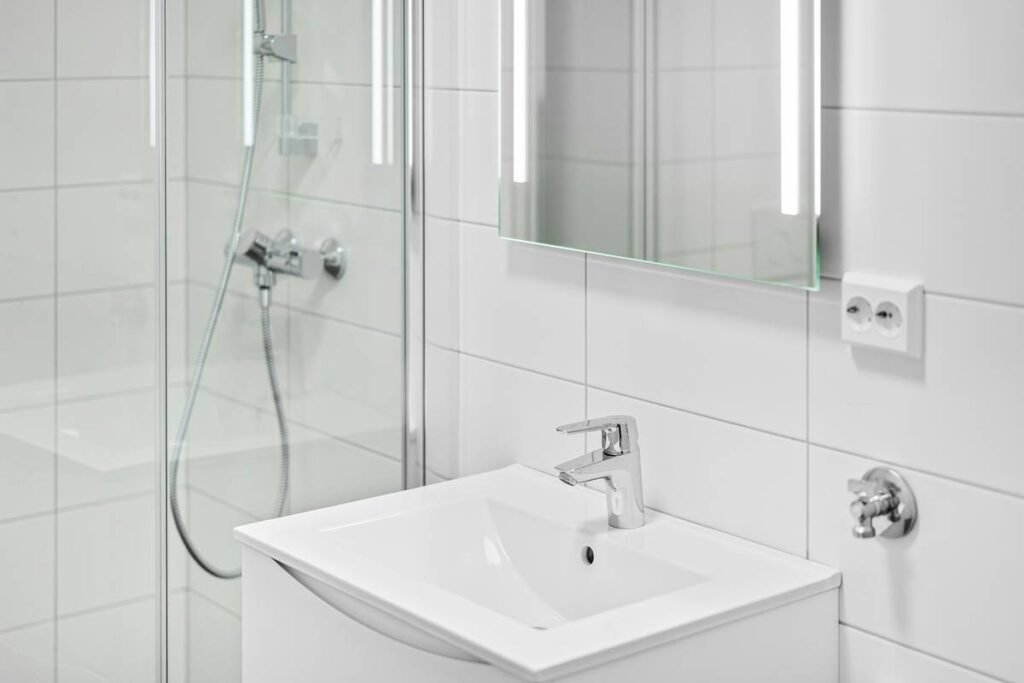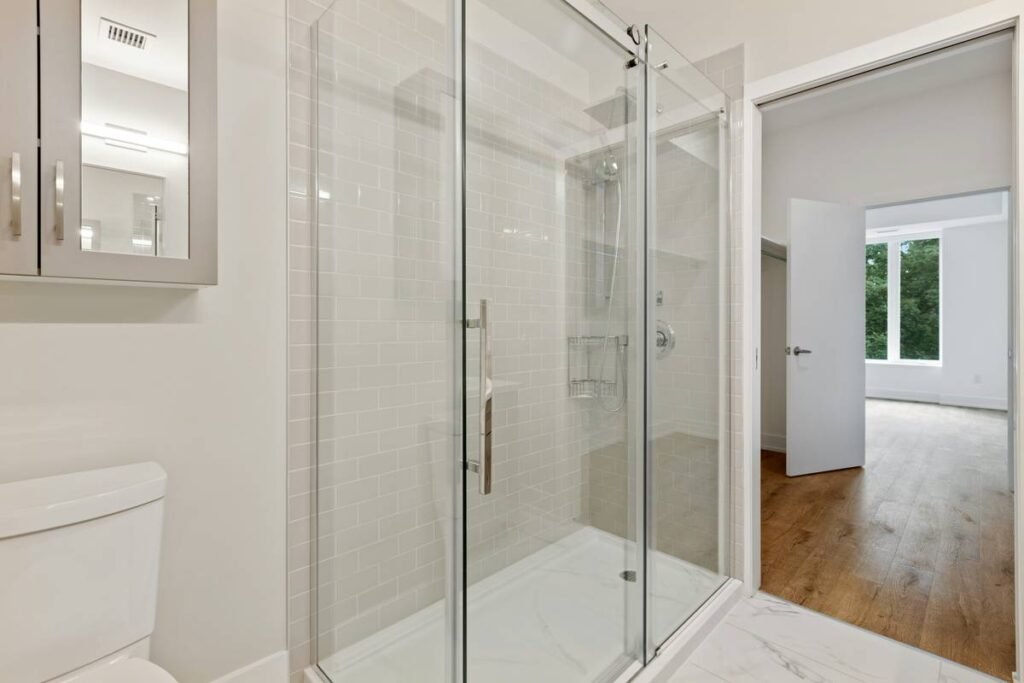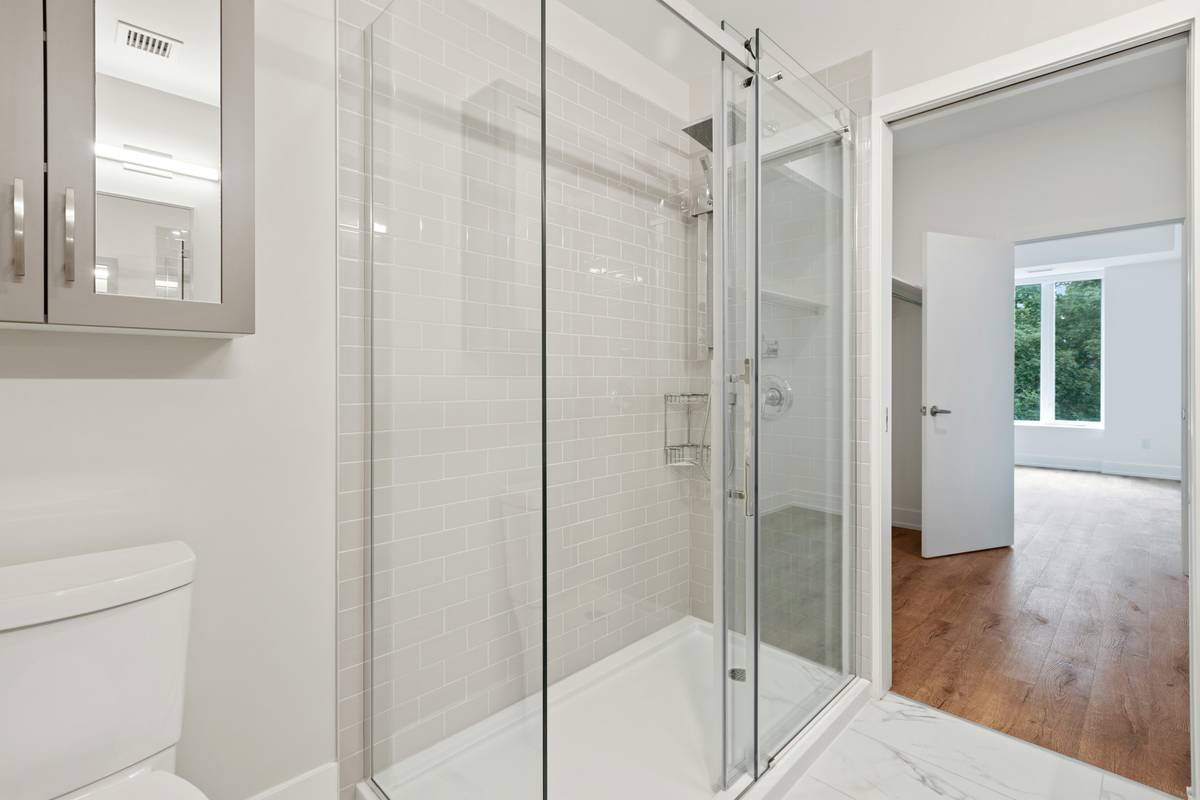
Ever stood in your 5×7-foot bathroom, arms flailing like a confused octopus, just trying to open your shower door without knocking over the toothpaste, shampoo, and that precarious stack of clean towels? Yeah. We’ve been there—repeatedly. If your bathroom feels less “spa” and more “sardine can with plumbing,” a small bathroom bifold door might be your secret weapon.
In this guide, you’ll discover why bifold shower doors are engineered for tight quarters, how to pick the right one without falling for cheap imitations, real-world installation pitfalls (I once bought hinges labeled “rust-proof”—spoiler: they weren’t), and whether this sleek solution actually delivers on space-saving promises. We’ll also bust myths, rant about misleading marketing, and give you brutally honest advice no showroom will tell you.
Table of Contents
- Why Bifold Doors Rock in Tiny Bathrooms
- How to Choose the Right Small Bathroom Bifold Door
- 5 Pro Tips for Maximizing Space and Style
- Real-Life Case Study: My 36-Inch Shower Redo
- Small Bathroom Bifold Door FAQs
Key Takeaways
- Bifold shower doors fold inward or outward in two panels, requiring up to 60% less swing space than traditional hinged doors.
- Look for tempered glass (⅜” minimum), stainless steel or brass hardware, and adjustable rollers for long-term durability.
- Avoid “budget” models under $250—they often use thin frames that warp or leak within 18 months.
- Professional installation is recommended unless you’ve successfully tiled a curbless shower before (no judgment if not).
- Pair your door with frameless design and light-colored grout to visually expand your space.
Why Do Bifold Shower Doors Work So Well in Small Bathrooms?
If your bathroom doubles as a closet-storage hybrid (guilty), every inch counts. Standard hinged shower doors need 24–30 inches of clear floor space to swing open—a luxury most urban apartments, older homes, and powder rooms simply don’t have. Sliding doors eat into your shower’s usable width and collect scum in tracks that feel impossible to clean. Enter the bifold door: two vertical panels that fold accordion-style, either inward toward the shower or outward into the room, slashing required clearance to just 12–14 inches.
According to the National Kitchen & Bath Association (NKBA), over 68% of remodelers in 2023 cited “space efficiency” as their clients’ top priority in bathrooms under 40 sq ft. Bifold designs directly address that need—not by magic, but by physics and smart engineering.
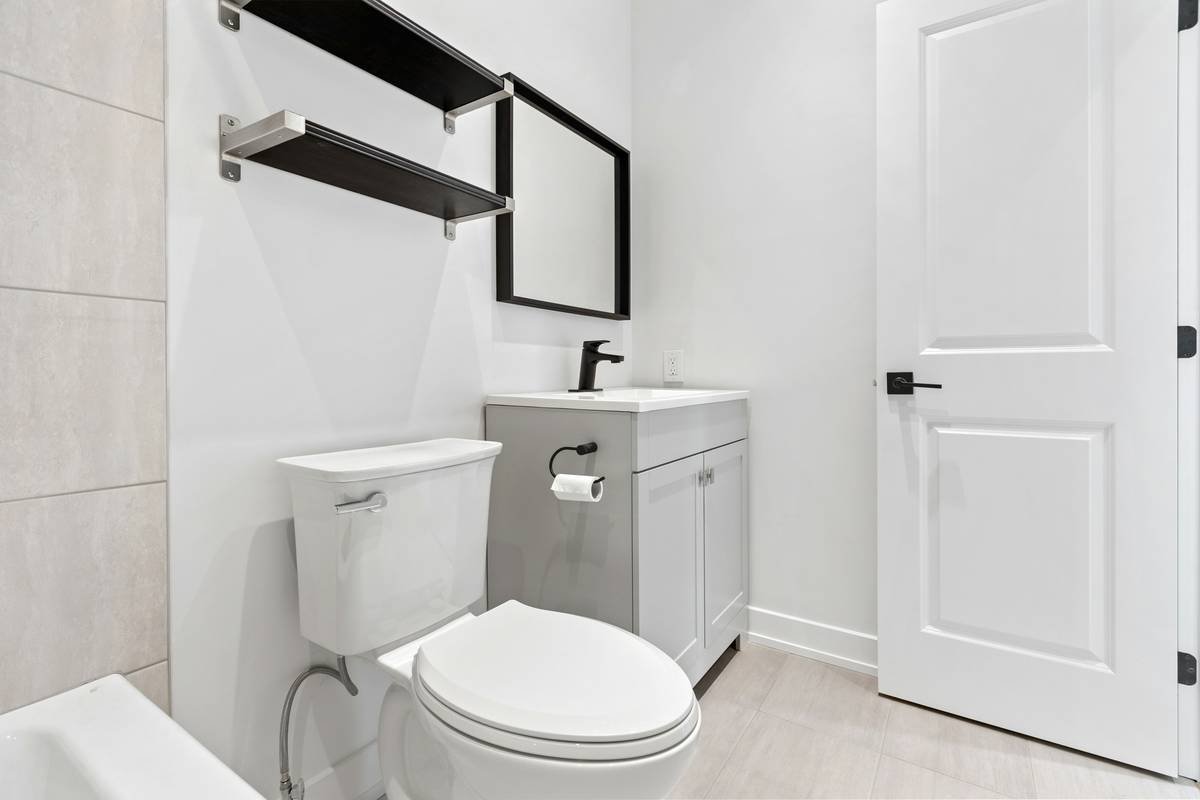
Optimist You: “This is genius! More legroom, easier access, cleaner sightlines.”
Grumpy You: “Ugh, fine—but only if it doesn’t leak like my last ‘waterproof’ phone.”
How to Choose the Right Small Bathroom Bifold Door
What materials won’t turn your shower into a rust carnival?
Not all bifold doors are created equal. Avoid aluminum frames thinner than 1.2mm—they flex, misalign, and invite water infiltration. Instead, demand:
- Glass: ANSI Z97.1-certified tempered glass, minimum ⅜” thick (½” if budget allows).
- Hinges & Rollers: 304-grade stainless steel or solid brass—never zinc alloy (it corrodes in humid environments).
- Seals: Dual silicone sweep seals at the bottom and magnetic catches on the side to prevent drips.
Should it fold inward or outward?
This depends entirely on your layout:
- Fold inward if you have limited floor space outside the shower (e.g., toilet 18” away).
- Fold outward if your shower base is shallow (<32”) or you hate water pooling on the bathroom floor when exiting.
Pro tip: Measure your “swing zone” with painter’s tape on the floor before buying. Trust me—I once installed an outward-folding model… directly into the toilet paper holder. Never again.
Frameless vs. Semi-Frameless: Does it matter?
For aesthetics and ease of cleaning, go frameless. Fewer crevices = less mold buildup. But it costs 20–30% more. If you’re on a tight budget, semi-frameless with coated metal frames can work—if you commit to monthly vinegar scrubs.
5 Pro Tips for Maximizing Space and Style
- Match hardware finishes to your faucet. Mismatched chrome and brushed nickel scream “rushed renovation.”
- Add a wall-mounted caddy inside the shower. Frees up corner shelves and keeps bottles off the floor.
- Use large-format tiles (12×24” or bigger). Fewer grout lines = fewer visual breaks = illusion of more space.
- Install LED strip lighting above the door track. Soft upward glow makes ceilings feel higher.
- Never skip the level check during install. A 2° tilt = constant door drift and water leaks.
Terrible Tip Disclaimer: “Just buy the cheapest bifold door on Amazon—it’ll be fine!” Nope. I tested three sub-$200 models last year. Two developed hinge wobble within 6 months. One leaked so badly it warped the subfloor. Save yourself the heartbreak (and contractor fees).
Real-Life Case Study: My 36-Inch Shower Redo
Last spring, I remodeled my 1940s bungalow’s 36”x36” shower—sandwiched between a pedestal sink and clawfoot tub. A standard door was impossible; sliding tracks would’ve reduced interior width to claustrophobic levels. I chose a frameless bifold door from DreamLine (model SHDR-3345700) with ½” tempered glass and stainless hinges.
Results after 10 months:
- Zero leaks (thanks to proper slope + dual bottom seals)
- Full access without moving the laundry hamper
- Easier cleaning—no track gunk, just wipe the glass
The total cost? $520 (door + professional install). Worth every penny. My partner no longer exits the shower looking like they wrestled a raccoon in a wet sauna.
Small Bathroom Bifold Door FAQs
Are bifold shower doors hard to clean?
Not if they’re frameless. Wipe down weekly with a squeegee and vinegar-water mix (1:1). Avoid abrasive pads—they scratch glass coatings.
Can I install one myself?
Only if you’re comfortable drilling into tile, leveling to 1/16”, and sealing with 100% silicone. One misaligned hinge = constant rubbing and premature seal failure. For most DIYers, hire a pro—average install takes 2–3 hours.
Do they work with curbless showers?
Yes! Look for models with low-profile bottom tracks (under ½” tall) or “threshold-free” designs. Confirm water containment with a pre-slope test.
How much do they cost?
Quality starts at $350 (basic semi-frameless) and goes up to $900+ (custom frameless). Avoid anything under $250—it’s false economy.
Conclusion
A small bathroom bifold door isn’t just a compromise—it’s a strategic upgrade for cramped spaces. By folding compactly, using durable materials, and eliminating bulky tracks, it solves real problems: wasted floor space, awkward access, and constant cleaning battles. Just prioritize tempered glass, corrosion-resistant hardware, and professional installation. Your future self—dry, relaxed, and able to actually open the medicine cabinet—will thank you.
Like a Tamagotchi, your shower door needs daily care—but choose wisely, and it’ll thrive for a decade.
Haiku:
Glass folds like origami,
Steam rises, space breathes anew—
Tiny bath, big relief.