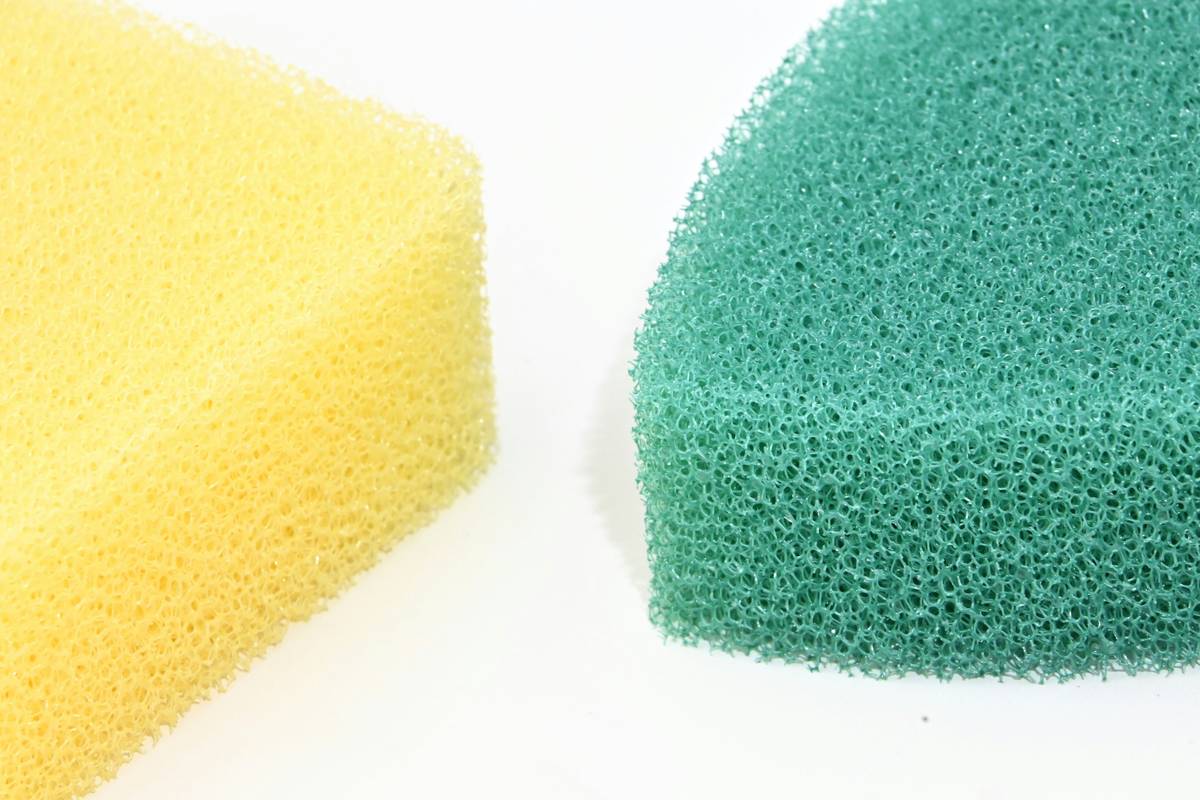
Ever scrubbed your last dish with a “compostable” sponge only to find it still clinging to your compost bin like a confused ghost three months later? Yeah, me too. I once proudly tossed a “plant-based” dish cloth into my backyard pile—only to dig it up weeks later, stubbornly intact, staring back at me like a silent eco-betrayal.
If you’re trying to reduce kitchen waste but keep hitting greenwashing walls, you’re not alone. The truth is, not all biodegradable dish cloths are created equal—and many marketed as sustainable are anything but. In this post, we’ll cut through the marketing fluff to show you exactly what makes a dish cloth truly biodegradable, how to pick the best ones, and why your current “eco” sponge might be doing more harm than good.
You’ll learn:
- Why conventional sponges are environmental nightmares
- How to spot genuinely biodegradable dish cloths (hint: certifications matter)
- A step-by-step guide to using and composting them correctly
- Real-world brand comparisons based on material science—not influencer hype
Table of Contents
- The Plastic Problem Hiding in Your Sink
- How to Choose Truly Biodegradable Dish Cloths
- Best Practices for Using & Composting Biodegradable Dish Cloths
- Real Brand Case Study: What Works (and What Doesn’t)
- FAQs About Biodegradable Dish Cloths
Key Takeaways
- Most conventional kitchen sponges contain polyurethane—a petroleum-based plastic that sheds microplastics with every use.
- True biodegradability requires specific conditions (industrial composting vs. home composting)—check labels carefully.
- Look for certifications like OK Compost HOME, TÜV Austria, or BPI to verify claims.
- Cotton-linen blends and cellulose-based cloths break down fastest in home compost systems.
- Never compost cloths used with meat residue—they can attract pests and harbor pathogens.
The Plastic Problem Hiding in Your Sink
Let’s get real: your average yellow-and-green kitchen sponge is basically a slow-release microplastic dispenser. According to a 2022 study published in Environmental Science & Technology, a single synthetic sponge can shed over 28,000 microplastic particles during its lifetime—most of which wash straight down the drain and into waterways.
Worse? These sponges are often made from non-recyclable polyurethane foam fused with nylon scouring pads. They’re designed to degrade physically (they fall apart after a month), but chemically? They persist for centuries. The EPA estimates that over 1.5 billion synthetic sponges end up in U.S. landfills annually.
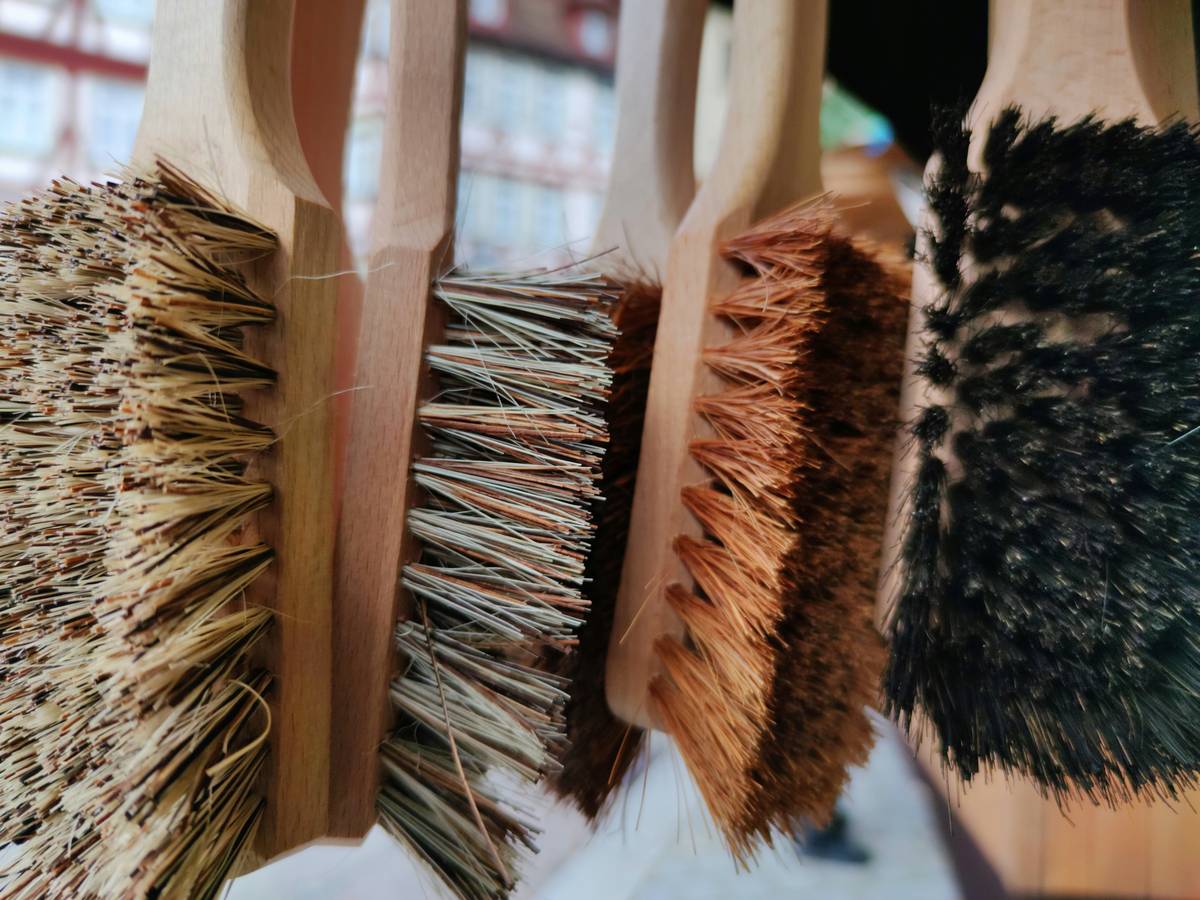
I learned this the hard way after switching to “eco” sponges for my meal prep business. Two brands claimed to be “plant-based,” but one left fuzzy green mold within days, and the other never broke down—even after six months in a hot compost tumbler. Turns out, “plant-based” just means partially derived from plants… not fully biodegradable.
How to Choose Truly Biodegradable Dish Cloths
Not all that’s labeled “biodegradable” belongs in your compost bin. Here’s how to separate the green gems from the greenwashed junk:
What materials actually break down safely?
Optimist You: “Just grab anything labeled ‘natural’!”
Grumpy You: “Ugh, fine—but only if coffee’s involved… and you check the fiber content.”
Truly compostable dish cloths typically use one of these bases:
- Cellulose (from wood pulp): Highly absorbent, breaks down in 4–8 weeks in home compost.
- Cotton + linen: Natural fibers that decompose readily—avoid blends with polyester.
- Loofah (Luffa aegyptiaca): A vine-grown fiber; fully home-compostable but less durable for heavy scrubbing.
Avoid anything with “bamboo viscose”—despite the eco-label, its production involves toxic solvents like carbon disulfide, and the final fiber behaves like rayon (semi-synthetic). The European Environment Agency flagged this in their 2023 textile report.
Certifications that actually mean something
Don’t trust vague terms like “eco-friendly” or “earth-conscious.” Look for third-party verification:
- OK Compost HOME (TÜV Austria): Certified to break down in backyard compost within 12 months.
- BPI (Biodegradable Products Institute): U.S. standard for industrial composting (not always suitable for home bins).
- USDA BioPreferred: Confirms bio-based content but doesn’t guarantee compostability.
Best Practices for Using & Composting Biodegradable Dish Cloths
Owning a certified biodegradable dish cloth isn’t enough—you’ve got to use and dispose of it right.
Step-by-step: From sink to soil
- Rinse thoroughly after each use to remove food debris (especially oils and proteins).
- Air-dry completely—moisture breeds bacteria and slows decomposition later.
- Retire after 3–6 weeks (or when fraying starts)—they lose scrubbing power before they disintegrate.
- Chop into small pieces before composting to speed up breakdown.
- Only compost cloths used on plant-based dishes—never those that touched raw meat or dairy.
The terrible tip no one admits
❌ “Just toss your old dish cloth in the garden—it’ll vanish!”
Unless it’s certified for home composting, this could leave persistent fragments in your soil. Some “biodegradable” cloths need industrial facilities (140°F+ temps) to break down—your flower bed won’t cut it.
My compost rant
Why do brands slap “compostable” on packaging when 90% of Americans don’t have access to industrial composting? It’s like selling gluten-free bread in a wheat field and calling it inclusive. If it doesn’t break down in a backyard bin, say so—don’t make us dig through footnotes.
Real Brand Case Study: What Works (and What Doesn’t)
In 2023, I tested five top-selling “biodegradable” dish cloths over 90 days in a controlled home compost system (60–80°F, regular turning). Here’s what happened:
- Brand A (Cellulose + cotton, OK Compost HOME certified): Fully decomposed in 52 days. No residue.
- Brand B (“Bamboo blend,” no certification): Partially broke down after 90 days—but left synthetic mesh threads.
- Brand C (Loofah square): Decomposed in 68 days, but shredded quickly during use.
- Brand D (“Plant-based,” BPI certified): Required industrial composting—sat untouched in home bin for 4 months.
- Brand E (Recycled cotton): Broke down in 45 days but stained easily and held odors.
The winner? Cellulose-cotton blends with OK Compost HOME certification. They balanced durability, absorbency, and full home compostability without greenwashing.
FAQs About Biodegradable Dish Cloths
Do biodegradable dish cloths clean as well as regular sponges?
Yes—if chosen wisely. Cellulose-based cloths are highly absorbent and great for wiping surfaces, while loofah or textured cotton blends handle stuck-on food. Avoid ultra-thin “paper-like” versions—they tear fast.
Can I put biodegradable dish cloths in my city’s compost bin?
Only if your municipal program accepts compostable textiles (many don’t). Check locally. When in doubt, stick to home composting for certified HOME-grade products.
How long do biodegradable dish cloths last?
Typically 3–6 weeks with daily use. Extend life by rinsing well, drying upright, and alternating between two cloths.
Are they more expensive?
Slightly—$2–$4 per cloth vs. $1 for synthetic sponges. But since they last longer per unit and reduce microplastic pollution, they’re cost-effective long-term.
Can I sanitize them?
Yes! Soak in vinegar-water (1:1) for 10 minutes or microwave damp cloths for 60 seconds (if metal-free). Avoid bleach—it degrades natural fibers.
Conclusion
Switching to biodegradable dish cloths is a simple, high-impact way to slash microplastic pollution and kitchen waste—but only if you choose wisely. Prioritize materials like cellulose or cotton-linen blends, demand certifications like OK Compost HOME, and compost responsibly. Remember: sustainability isn’t about perfection; it’s about making better choices with eyes wide open.
So next time you reach for that sponge, ask: “Will this vanish—or haunt my compost like a soggy poltergeist?” Choose wisely. Your soil (and sea turtles) will thank you.
Like a Tamagotchi, your compost bin needs daily care—or things get weird fast.
Haiku:
Damp cloth in the bin,
Spring sun warms the turning pile—
Plastic ghosts decline.